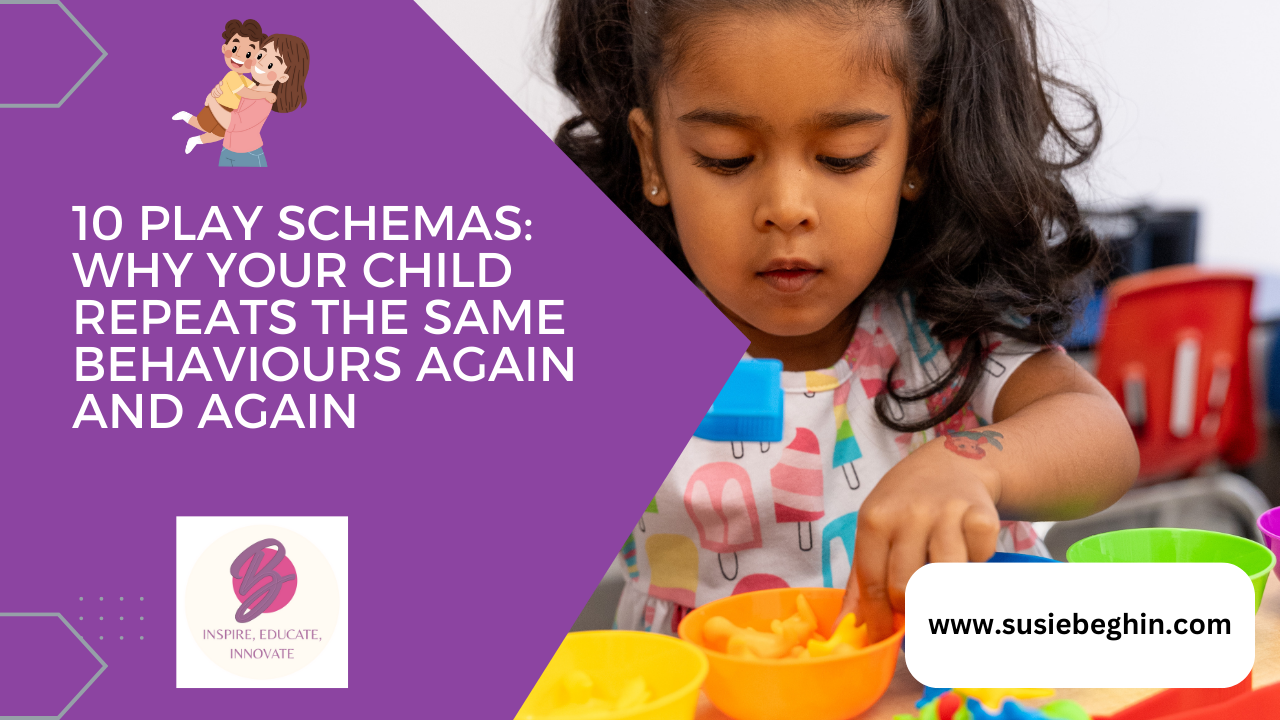
10 Play Schemas: Why Your Child Repeats the Same Behaviours Again and Again
Have you ever watched your child fill a bucket, dump it out… and then immediately start again? Or build a tower only to knock it down two seconds later? It can seem messy or even confusing — but it’s actually something incredible:
✨ They’re learning how the world works.
These repeated patterns of behaviour are called play schemas — the brain’s way of experimenting, testing, and making sense of experiences. Schemas help children develop problem-solving, motor skills, creativity, spatial awareness, social understanding, and more.
When we recognize these schemas, we stop saying, “Why are they doing that?” and start saying…
“Wow — look what they’re learning!”
Let’s take a look at the 10 main play schemas and how you can support them at home or in the classroom.
1️⃣ Trajectory Schema
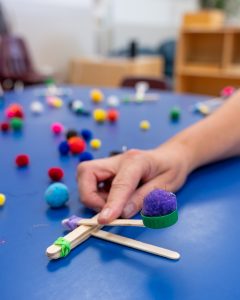
Kids love throwing, dropping, pushing, and watching things move.
- Rolling balls or cars down ramps
- Water play with pouring
- Tossing leaves, soft balls or snow
💡 What they’re learning: movement, gravity, and cause & effect.
 2️⃣ Transporting Schema
They love carrying objects from one place to another — buckets, bags, baskets filled with treasures!
- Scoop and pour dry rice, sand, or water using cups and spoons.
- Filling dump trucks and unloading them
- Pretending to deliver mail
💡 What they’re learning: organization, planning, and spatial awareness.
 3️⃣ Enclosing Schema
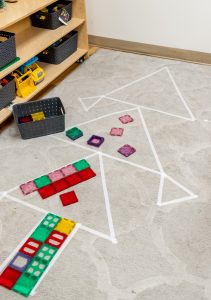
Children build around spaces or create boundaries — fences, circles, containers.
- Use blocks or magnetic tiles to make walls, pens, or small enclosures
- Use baskets, boxes, or trays to place items inside
- Use painter’s tape to create borders on the floor
💡 What they’re learning: inside vs. outside, safety, and structure.
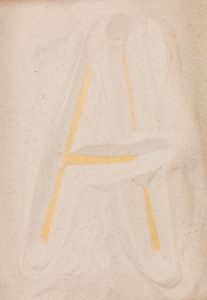 4️⃣ Enveloping Schema
Hiding or covering people or objects completely — wrapping, layering, and burying.
- Wrapping toys in paper or fabric
- Covering objects in sand or snow
- Crawling into forts or under covers
💡 What they’re learning: permanence, protection, and transformation.
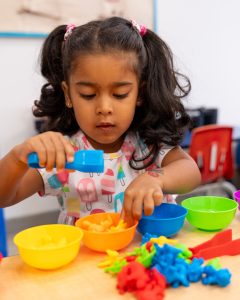 5️⃣ Positioning Schema
Arranging items in precise order — lining up cars, sorting by colours, placing objects just so.
- Provide animal figures, cars, or dolls to place in rows or patterns
- Create colour rows or shape sequences with blocks or beads
- Invite your child to set the table, arrange cutlery, or organize play food
💡 What they’re learning: sequencing, categorization, visual organization.
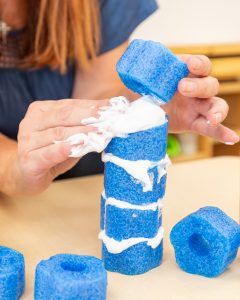 6️⃣ Connecting Schema
Children join things together to build, attach, and create larger structures.
- Building with blocks and LEGO
- Building with magnet tiles
- Clipping paper links into chains
💡 What they’re learning: structure, balance, early engineering concepts.
 7️⃣ Rotation Schema
Anything that spins, twists, or turns is fascinating!
- Playing with wheels and spinning tops
- Twirling ribbons or scarves
- Turning their bodies in circles
💡 What they’re learning: motion, self-regulation, and spatial relationships.
 8️⃣ Orientation Schema
Kids experiment with viewing the world from different angles — upside-down, sideways, backward.
- Drawing on a piece of paper taped under the table
- Peeking between their legs
- Hanging upside-down on playground bars
💡 What they’re learning: perspective and body awareness.
 9️⃣ Transforming Schema
Mixing, changing, or altering materials.
- Painting and blending colours
- Mixing sand, water, and mud
- “Cooking” with loose parts in pretend play
💡 What they’re learning: experimentation, cause & effect, creativity.
 🔟 Dynamic Schema (Vertical + Horizontal Movement)
Children explore movement through space — side-to-side and up and down.
- Throwing scarves in the air and watching them fall
- Rolling cars down a ramp
- Shifting from side-to-side in dance or play
💡 What they’re learning: gross motor skills, balance, coordination, and spatial navigation.
How to Support Schema Play
✔️ Offer open-ended materials
✔️ Give time and space for repetition
✔️ Allow safe risk-taking
✔️ Focus on process, not product
✔️ Observe — then follow their lead
You’ll begin to notice patterns in your child’s play — maybe they’re a mover, a builder, a wrapper, or an organizer. Understanding schemas helps you guide them toward deeper learning rather than stopping the behaviour.
Why Schemas Matter
When you support schemas, you’re helping children build:
- Strong pathways in the brain
- Confidence and independence
- Early STEAM skills
- Emotional regulation
- Creativity and imagination
Every repeated action is your child’s way of mastering something new.
Want Simple Schema Play Ideas?
Check out my videos for each Schema!