
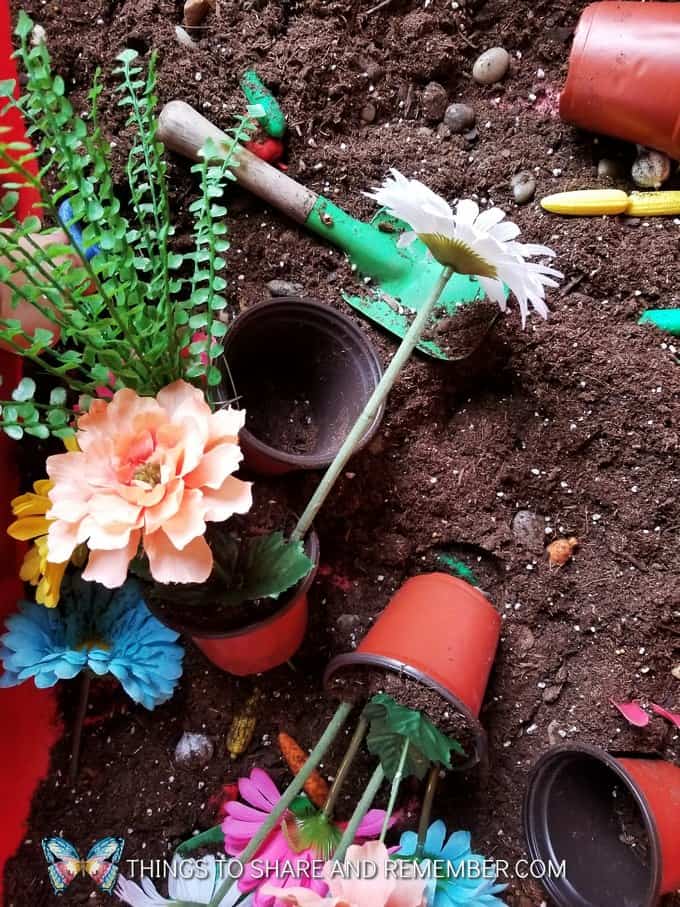
5 Indoor Spring Activity Ideas for Young Kids
Simple, hands-on learning Spring Activities for Kids you can setup in just 5 minutes using everyday materials
Spring is full of wonder—rain, colour, growth, and change. But not every spring day is warm and sunny. 🌧️
The good news? You can bring all the magic of spring right inside your home or classroom with simple, engaging activities that support learning through play.
Here are 5 easy indoor spring activities your child will love—no fancy materials required.
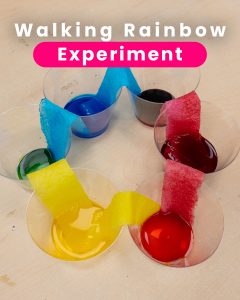
🌈 1. Walking Rainbow Experiment
This classic experiment is always a favourite—and it’s packed with learning.
What you need:
- 6 Clear cups
- Water
- Food colouring (blue, yellow, red)
- Paper towels
What to do:
Fill alternating cups with coloured water (blue, yellow, red) and connect them using folded paper towels. Watch as the colours “walk” and mix together to form orange, green and purple.
What children learn:
- Early science concepts (absorption and movement)
- Colour mixing
- Observation skills and patience (waiting for the colours to “walk”)
💡 Tip: Ask open-ended questions like, “What do you think will happen next?”
Watch the video to see how to set up this activity in just 5 minutes.
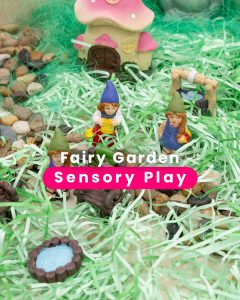
🧚♀️ 2. Fairy Garden Sensory Play
Bring a little spring magic indoors with this imaginative sensory activity.
What you need:
- Soil, sand, or easter grass
- Moss, sticks, stones
- Small figurines (fairies, animals, little houses)
What to do:
Create a mini “garden” in a bin or tray and let your child explore, build, and create their own little world.
What children learn:
- Imaginative play
- Storytelling
- Fine motor skills
💡 This activity supports schema play like transporting, positioning, and connecting.
Watch the video to see how to set up this activity in just 5 minutes.

🌧️ 3. Rain in a Jar
A simple and beautiful way to explore how rain works.
What you need:
- Clear jar
- Water
- Shaving cream
- Food colouring
What to do:
Fill the jar ¾ full with water. Add shaving cream on top of the water (this is your “cloud”), then drop food colouring on top and watch the “rain” fall.
What children learn:
- Basic weather concepts
- Cause and effect
- Observation and prediction
💡 Let your child describe what they see instead of explaining everything right away.
Watch the video to see how to set up this activity in just 5 minutes.
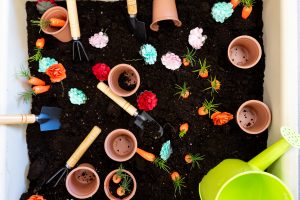
🌱 4. Planting Seeds Indoors
Spring is all about growth, and this is a perfect hands-on way to explore it.
What you need:
- Small cups or containers
- Soil
- Seeds (beans work great)
What to do:
Plant seeds and place them near a window. Water daily and observe how they grow over time.
What children learn:
- Life cycles
- Responsibility
- Patience
💡 Create a simple daily routine where the child checks on their plant.
Watch the video to see how to set up this activity in just 5 minutes.

🎨 5. Spring Process Art with Nature Tools
Skip the crafts—and focus on creativity and exploration.
What you need:
- Paint
- Paper
- Natural items (leaves, flowers, sticks)
What to do:
Invite your child to paint using different tools such as flowers, leaves and sticks and explore textures, patterns, and movement.
What children learn:
- Creativity and self-expression
- Sensory exploration
- Fine motor skills
💡 Remember: it’s about the process, not the final product.
Watch the video to see how to set up this activity in just 5 minutes.
🌼 Final Thoughts
Spring learning doesn’t need to be complicated.
The best activities are:
✔ Simple
✔ Hands-on
✔ Child-led
✔ Connected to real life
When children explore through play, they’re not just staying busy—they’re building the foundation for lifelong learning.
Subscribe for more activities like this!
Spring Adventures for Kids: Exploring Nature
Spring Adventures for Kids: Exploring Nature
by Susie Beghin, RECE, Founder of Alpha’s Discovery Kids
As spring blooms and nature comes to life, it’s the perfect time to engage children in outdoor activities that foster their curiosity and creativity. At Alpha’s Discovery Kids, we’re passionate about providing children with enriching experiences that ignite their love for learning and exploration. From nature walks to mud kitchens, there are endless opportunities for kids to connect with the natural world and unleash their imagination.
Nature walks are a favourite among children and educators alike and are an excellent way to connect children with the natural world while encouraging physical activity and curiosity. During these walks, children have the chance to explore various environments, from wooded trails to open fields, collecting treasures along the way.
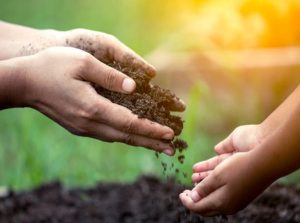
Encouraging children to collect items such as pine cones, stones, leaves, and twigs not only sparks their curiosity but also provides materials for creative projects. These collected treasures can be used in art projects, where children can create nature-inspired collages, paintings, or sculptures, fostering their artistic expression and appreciation for the beauty of the natural world. Picking up sticks, in particular, seems to captivate children’s attention as they experiment with different sizes and shapes, imagining them as wands, swords, or tools for building.
Parents can also join in on the fun by taking their children on nature walks in local parks or trails. Equipped with a bag to gather their findings, children delight in the opportunity to explore the great outdoors and discover the beauty of nature firsthand. Nature walks also offer opportunities for hands-on learning experiences. Children can observe different plant and animal species, learning about their habitats, behaviours, and life cycles. Parents can also engage children in discussions about the importance of conservation and caring for the environment, instilling in them a sense of responsibility towards the planet.
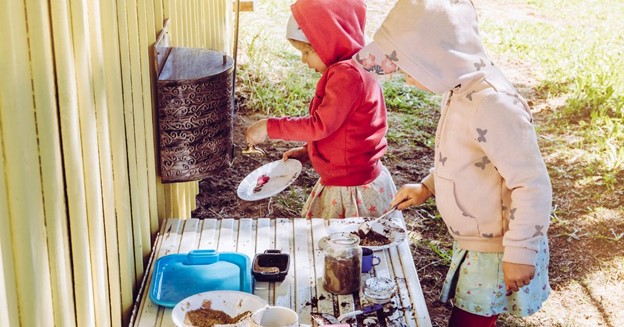
Another highlight of outdoor play is the mud kitchen, a beloved feature that encourages imaginative play, sensory exploration and hands-on learning. With simple setups consisting of tables or flat surfaces, pots, pans, and utensils, mud kitchens provide children with endless opportunities to cook, bake, and create. As children mix, pour, and stir ingredients in their mud kitchens to concoct “delicious” meals and potions, children engage in open-ended play that fosters language development, motor skills, and social interaction.
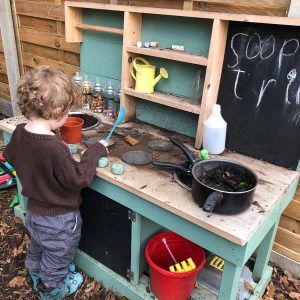
Mud kitchens have benefits beyond imaginative play. As children engage in sensory activities, they explore different textures, smells, and consistencies, enhancing their sensory processing skills. Mixing and stirring promotes hand-eye coordination and strengthens hand muscles, laying the foundation for writing and other fine motor tasks. The sensory experience of squishing mud between their fingers and the freedom to experiment with different textures and consistencies stimulates their senses and ignites their creativity. And, the outdoor setting provides children with the opportunity to engage in physical activity, promoting gross motor skills and overall well-being.
Additionally, mud kitchens offer rich learning experiences that integrate various academic disciplines including our 4 Pillars of Learning. Children naturally engage in scientific inquiry as they observe changes in materials and explore cause-and-effect relationships. Children can integrate elements of mathematics by counting, sorting, and categorizing natural materials or measuring quantities for their concoctions. They also exercise their creativity and artistic skills as they experiment with different combinations and designs, transforming mud and natural materials into works of art.
Whether exploring the wonders of nature on a walk or whipping up culinary delights in the mud kitchen, springtime offers abundant opportunities for children to learn, grow, and connect with the world around them. By embracing outdoor play and nature-based activities, we cultivate a sense of wonder and curiosity that will inspire children to explore and discover throughout their lives.
For more information, visit our YouTube channel for inspiration and ideas.